intellectum

Hands-on games for growing minds

Learning lives in every move.Every move opens a new way to think.

Children build, compare, remember, explain, and try again. Intellectum turns every tabletop into a clear, age-appropriate space for active learning.Primary learners build, compare, explain, and refine ideas through structured games for logic, spatial thinking, communication, and strategy.

Kindergarten
9 focused games · ages 4+
Primary school
13 games · visual logic to strategy
Primary learners extending a colorful Spido pattern together
Primary school Pattern, strategy, collaboration.
Kindergarten learners matching butterfly pieces with an educator
Kindergarten See, match, remember.
Primary learners thinking together with hands-on educational games in a warm modern classroom

Intellectum Primary · Ages 6–10

Make thinking visible.

Thirteen hands-on games help primary learners build, compare, predict, explain, and adapt — one purposeful move at a time.

Start with the classroom

Curiosity becomes progress when play matches the learner.

  1. 01
    Age-appropriate challenges

    Two clearly separated collections meet children where they are developmentally.The primary collection meets learners with structured challenges that grow in complexity.

  2. 02
    Hands-on exploration

    Children compare, build, match, rotate, plan, and explain through real materials.

  3. 03
    Individual and collaborative play

    Activities move naturally from focused independent work to pair and group strategy.

  4. 04
    A clear purpose behind every game

    Each product connects a simple action with a focused set of cognitive and social skills.
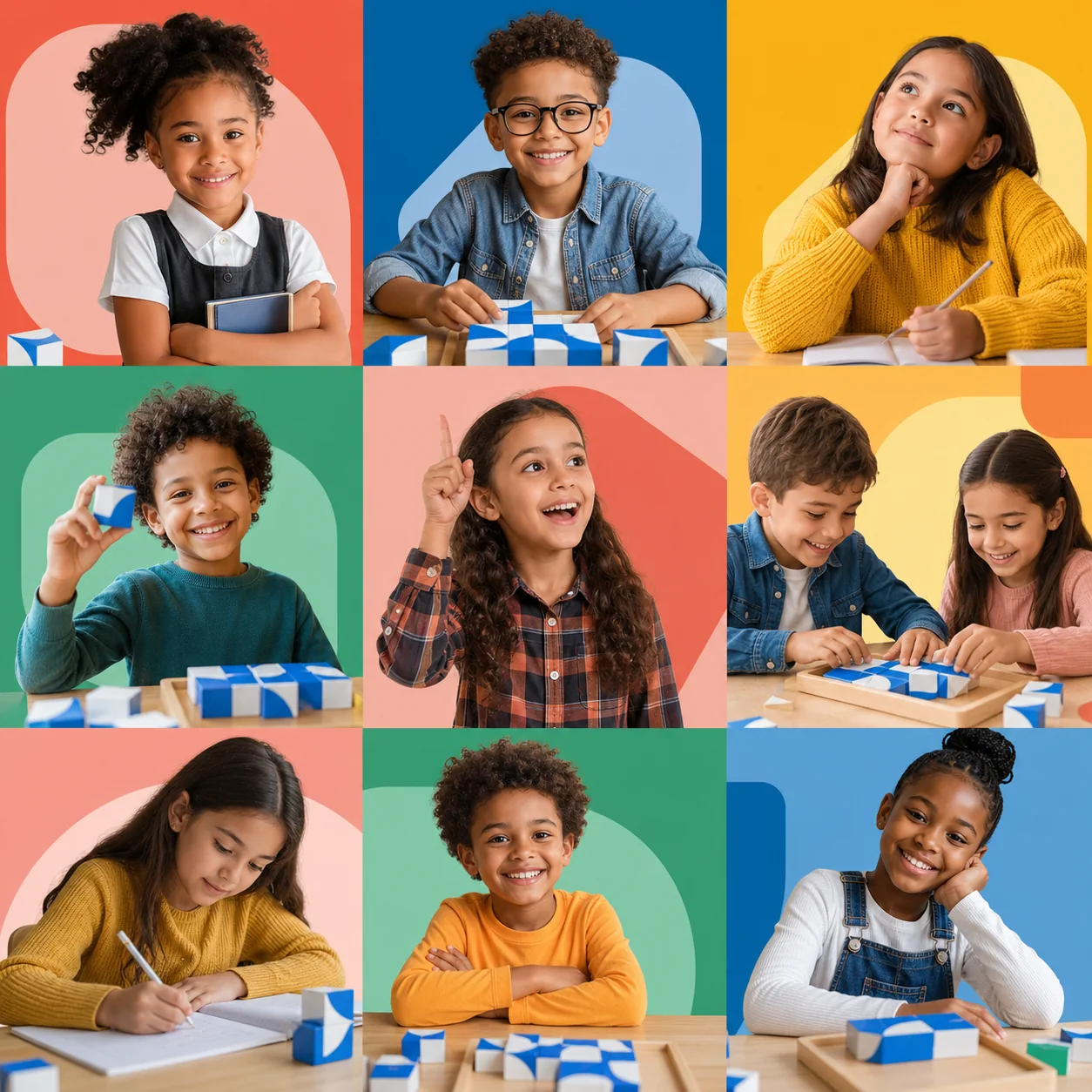
A lively grid of confident primary learners ready to explore and explain
Every learner enters through a different kind of challenge.
  • 13games
  • 6–10years
  • 1–4learners

One connected Primary collection

One collection. Four ways to think.

The page follows the same rhythm as a strong lesson: begin with something children can touch, make the thinking visible, then give each decision a language.

Intellectum for kindergarten

Small moves. Big early discoveries.

Nine focused activities invite young learners to recognize colors and shapes, remember visual information, coordinate movement, and solve simple spatial challenges.

  • 9 games
  • Ages 4+ and 5+
  • 15-minute activities
  • Individual and 2–4 players
Complete nine-game Intellectum kindergarten collection

Explore the kindergarten collection.

Highlight by learning focus

9 games in this collection

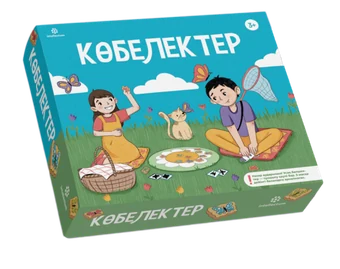
01Butterflies matching game box
Age 4+2–4 players15 min

Butterflies

Match butterflies by shape, color, and pattern while strengthening visual memory and quick recognition.
  • Attention
  • Memory
  • Visual logic
  • Speed
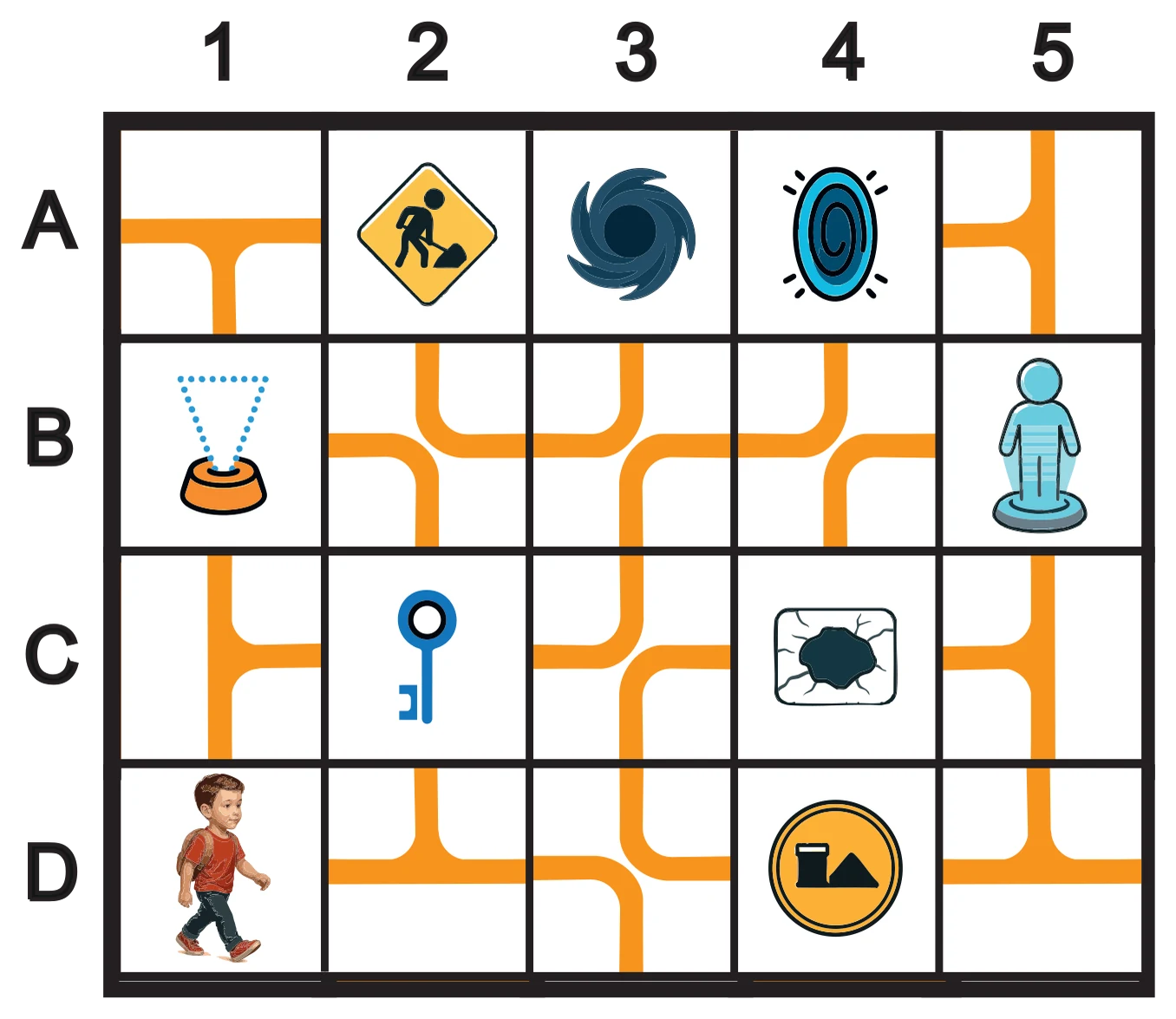
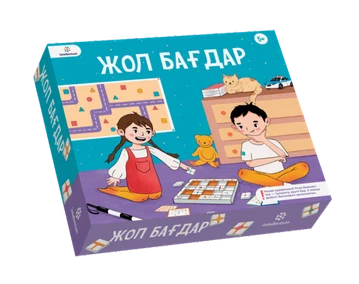
02Road Guide learning game box
Age 5+1 player15 min

Road Guide

Connect road sections by following visual signs and build a continuous route through the board.
  • Logic
  • Strategy
  • Visual perception
  • Attention
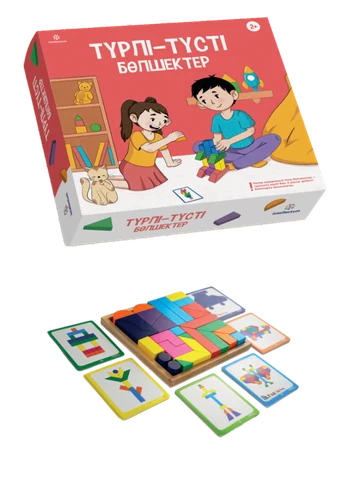
03Colorful Pieces learning game
Age 5+1 player15 min

Colorful Pieces

Combine colorful parts to translate familiar images into simple spatial constructions.
  • Imagination
  • Spatial thinking
  • Color recognition
  • Focus
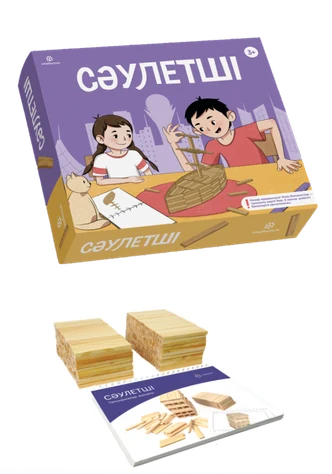
04Architect wooden construction game
Age 4+1 player15 min

Architect

Build stable structures from identical wooden sticks and learn through balance, repetition, and care.
  • Fine motor
  • Patience
  • Concentration
  • Imagination
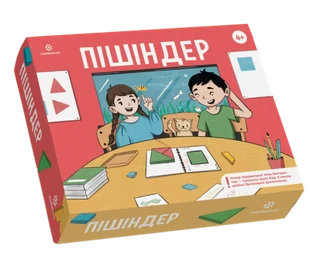
05Shapes spatial learning game box
Age 4+1 player15 min

Shapes

Move and compare eight colored shapes to recreate arrangements and understand position.
  • Spatial thinking
  • Visual perception
  • Imagination
  • Coordination
06Sticks comparison and position game box
Age 4+1 player15 min

Sticks

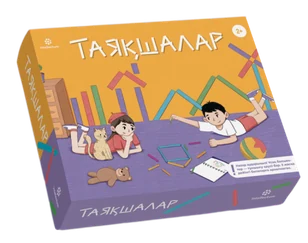
Locate, compare, and recreate positions using colored sticks of different lengths and patterns.
  • Concentration
  • Comparison
  • Spatial thinking
  • Patience
07Creative Pattern game with colored wooden pieces
Age 4+1 player15 min

Creative Pattern

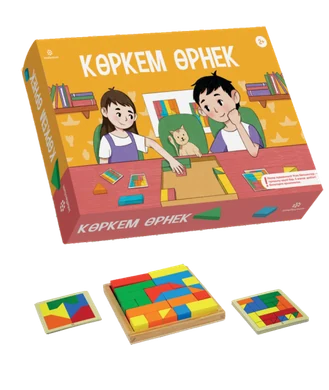
Compose visual designs from colored pieces by observing, comparing, and following prompt cards.
  • Visual logic
  • Attention
  • Color recognition
  • Patience
08Find It Fast visual search game box
Age 4+2–4 players15 min

Find It Fast

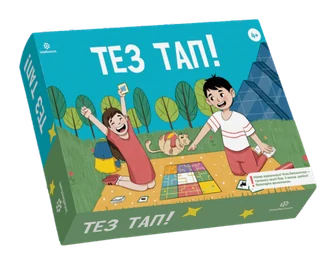
Scan a colorful field, remember visual cues, and find the matching animal or color before the others.
  • Visual search
  • Memory
  • Speed
  • Logic
093D Triangle construction game box
Age 4+1 player15 min

3D Triangle

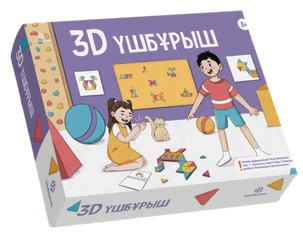
Assemble colored triangles into the shown three-dimensional forms and compare each result.

  • Spatial thinking
  • Attention
  • Visual logic
  • Patience
Kindergarten children matching butterfly pieces with an educator

A kindergarten moment

See, compare, remember, and share.

Short sessions keep the challenge clear. The educator guides attention while children make visible choices with real pieces.

  • Child-scale classroom setting
  • Age-appropriate 2–4 player format
  • The real Butterflies game and matching mechanic
Primary learners exploring colorful logic games together in a contemporary classroom

Intellectum for primary school

Where every table becomes a thinking lab.

For ages 6–10, active hands turn patterns, routes, shapes, and strategies into ideas children can see and explain.

Explore four learning territories

Build · compare · explain · refine

Intellectum for primary school

Every move becomes a reason to think ahead.

Thirteen structured games help primary learners compare, build, calculate, recognize patterns, explain strategies, and work through increasingly complex challenges.

  • 13 games
  • Individual and group play
  • Logic to strategy
  • Hands-on problem solving
Complete thirteen-game Intellectum primary school collection

Four learning territories

Every game gives thinking a shape children can work with.

The collection moves from making and visualizing to patterns, logic, strategy, and communication. Each territory connects a classroom moment with the exact Intellectum games behind it.

01 Build & visualize

Imagine the structure. Then make it stand.

Children translate an idea into a physical form, test balance and orientation, and revise what does not yet work.

Three primary learners building a wooden structure together

Featured game · Age 5+

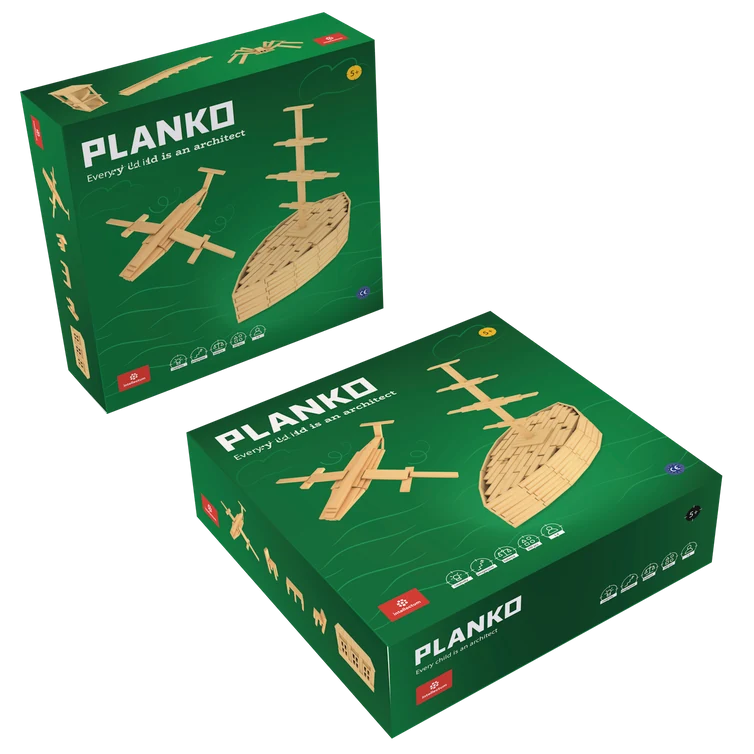
Planko wooden construction game

Planko

Plan a structure, test how the wooden pieces balance, and explain how the parts support one another.

  • Construction
  • Fine motor
  • Language
View in the full collection
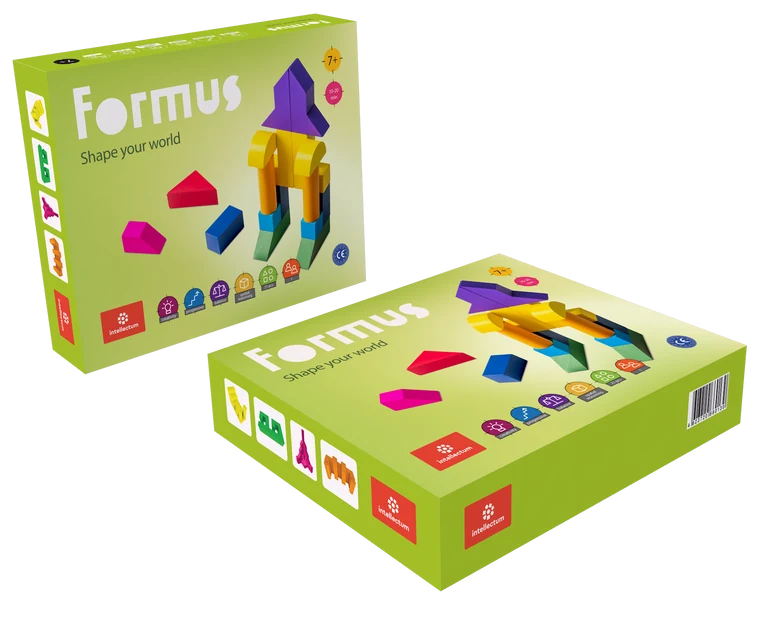
A child exploring geometry through a handmade discovery observatory
Formus three-dimensional geometry game

Age 7+ · 3D geometry

Formus

Build three-dimensional forms and connect geometry with design, analysis, and imagination.
A child visualizing a geometric construction in a beam of light
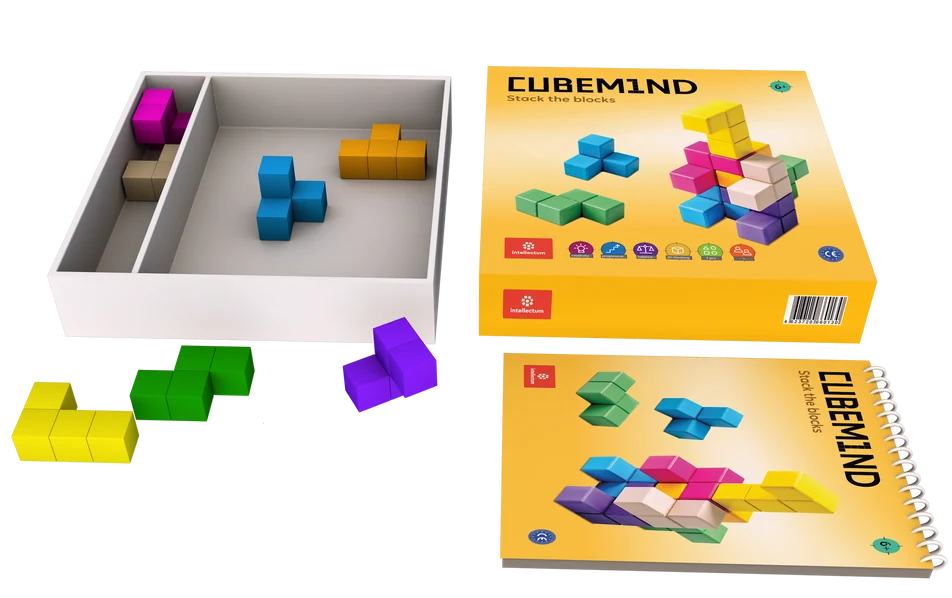
Cubemind block analysis game

Age 6+ · Visual analysis

Cubemind

Compare views and arrangements to understand how colored blocks relate in space.

02 Patterns & space

Look closely. Move precisely. See the whole.

Flat shapes, grids, and visual directions help learners notice relationships between parts and complete a larger structure.

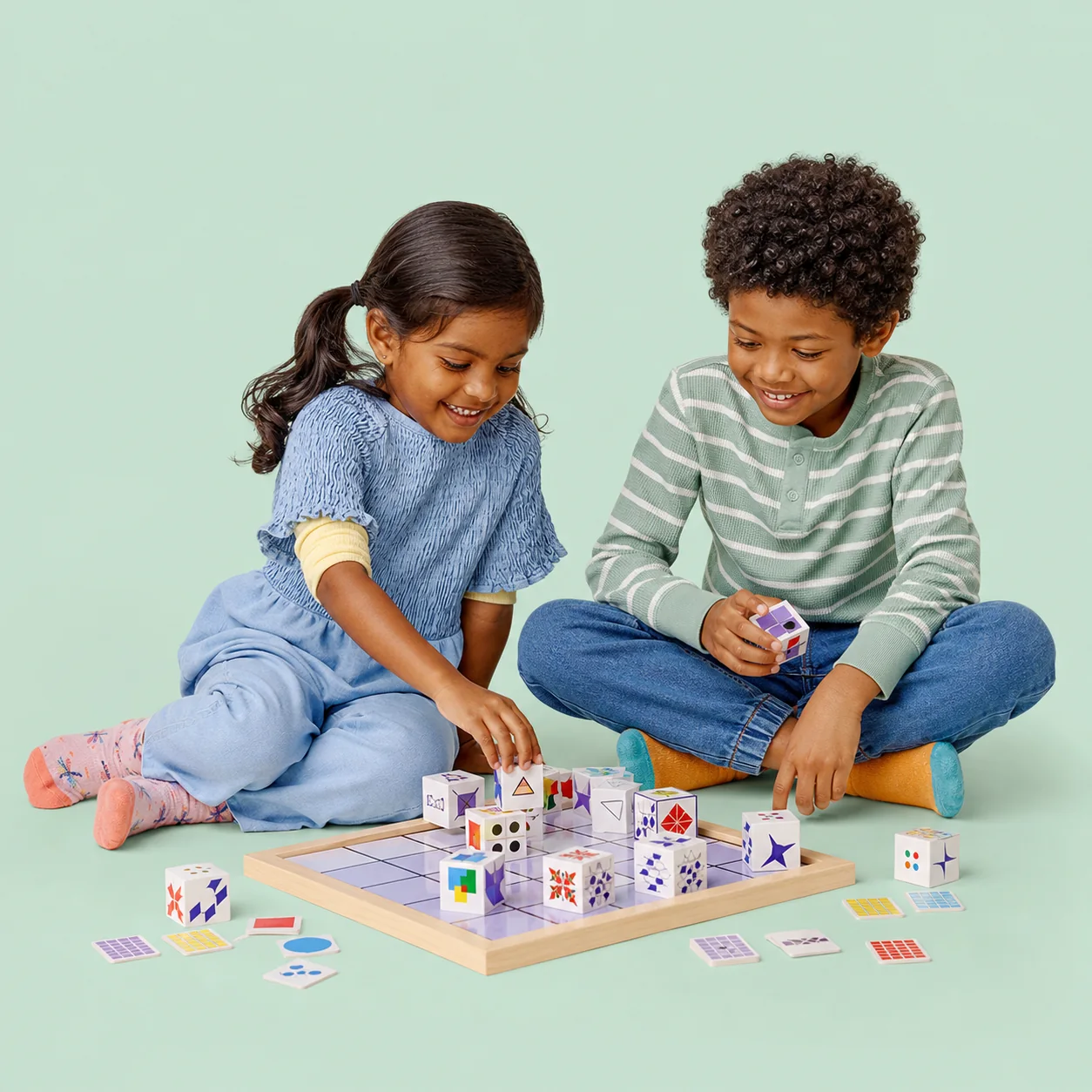
A child carefully fitting colorful geometric pieces into a pattern

Featured game · Age 6+

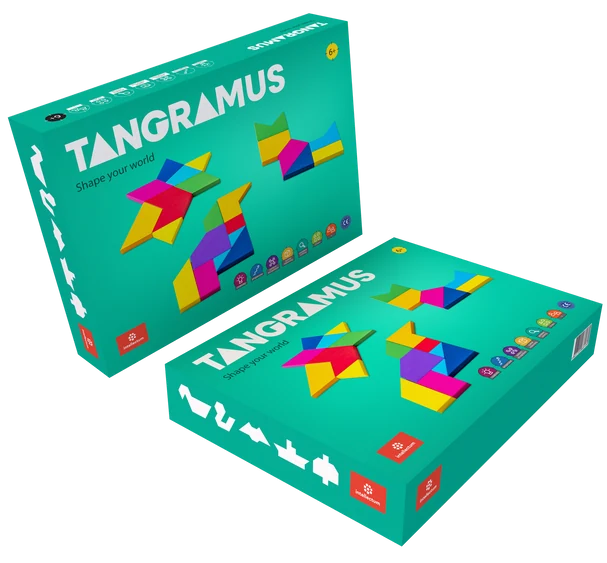
Tangramus geometric puzzle game

Tangramus

Rotate and combine geometric pieces to rebuild a figure while discovering symmetry and spatial relationships.
  • Shapes
  • Symmetry
  • Problem solving
View in the full collection
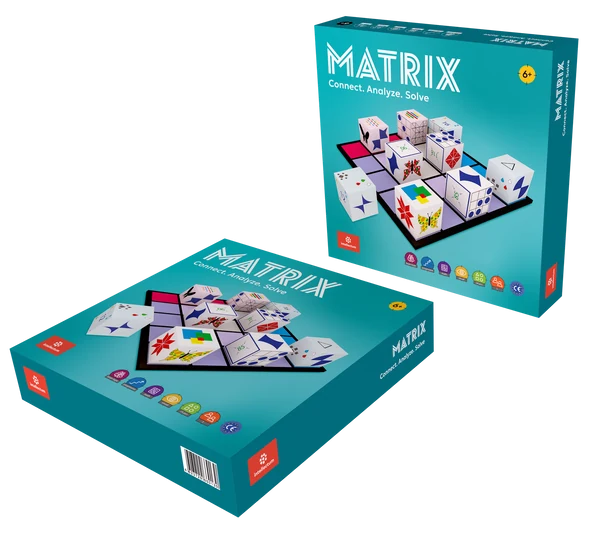
Two children collaborating with a matrix of geometric cubes
Matrix arithmetic and geometry game

Age 6+ · Math & geometry

Matrix

Read values and shapes in a matrix, then place the corresponding cubes into the grid.
A colorful portrait grid of confident primary learners
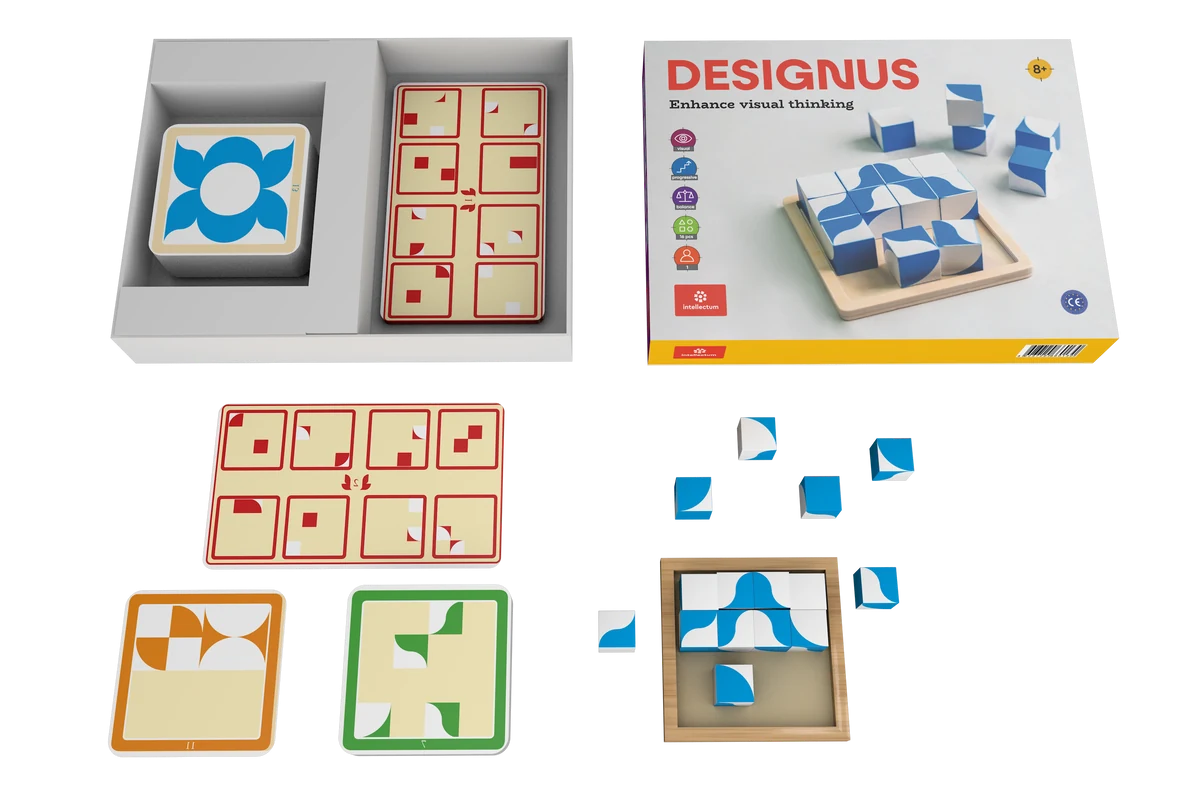
Designus visual orientation game

Age 8+ · Visual design

Designus

Analyze direction, size, and symmetry to understand how visual structure is organized.

03 Routes & logic

Follow the clue. Test the route. Change your mind.

Learners read visual information, predict what comes next, and adjust a solution when new evidence appears.

Four primary learners exploring routes and directions

Featured game · Age 3+

Roadway route-building game

Roadway

Build a continuous route from visual instructions while connecting geometry, direction, and sequence.
  • Routing
  • Geometry
  • Coordination
View in the full collection
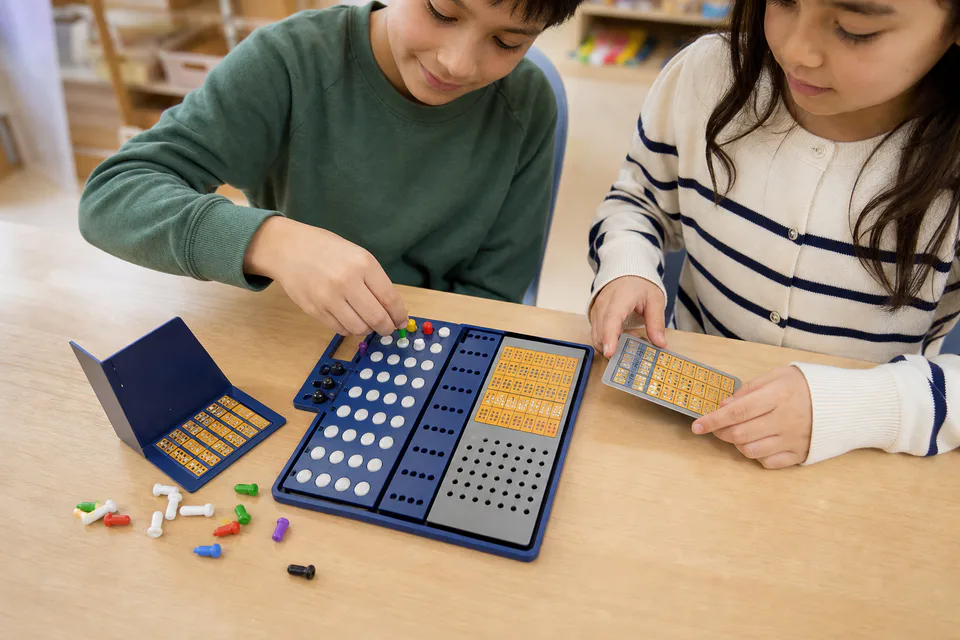
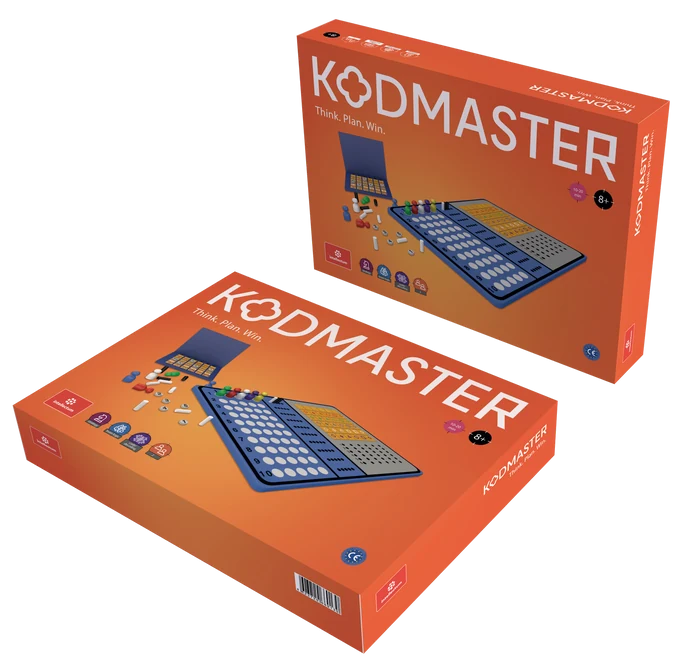
Two primary learners using the Kodmaster board to create and test a hidden color code
Kodmaster code-breaking game

Age 8+ · Code breaking

Kodmaster

Create and break color codes through deduction, combinations, and probability.
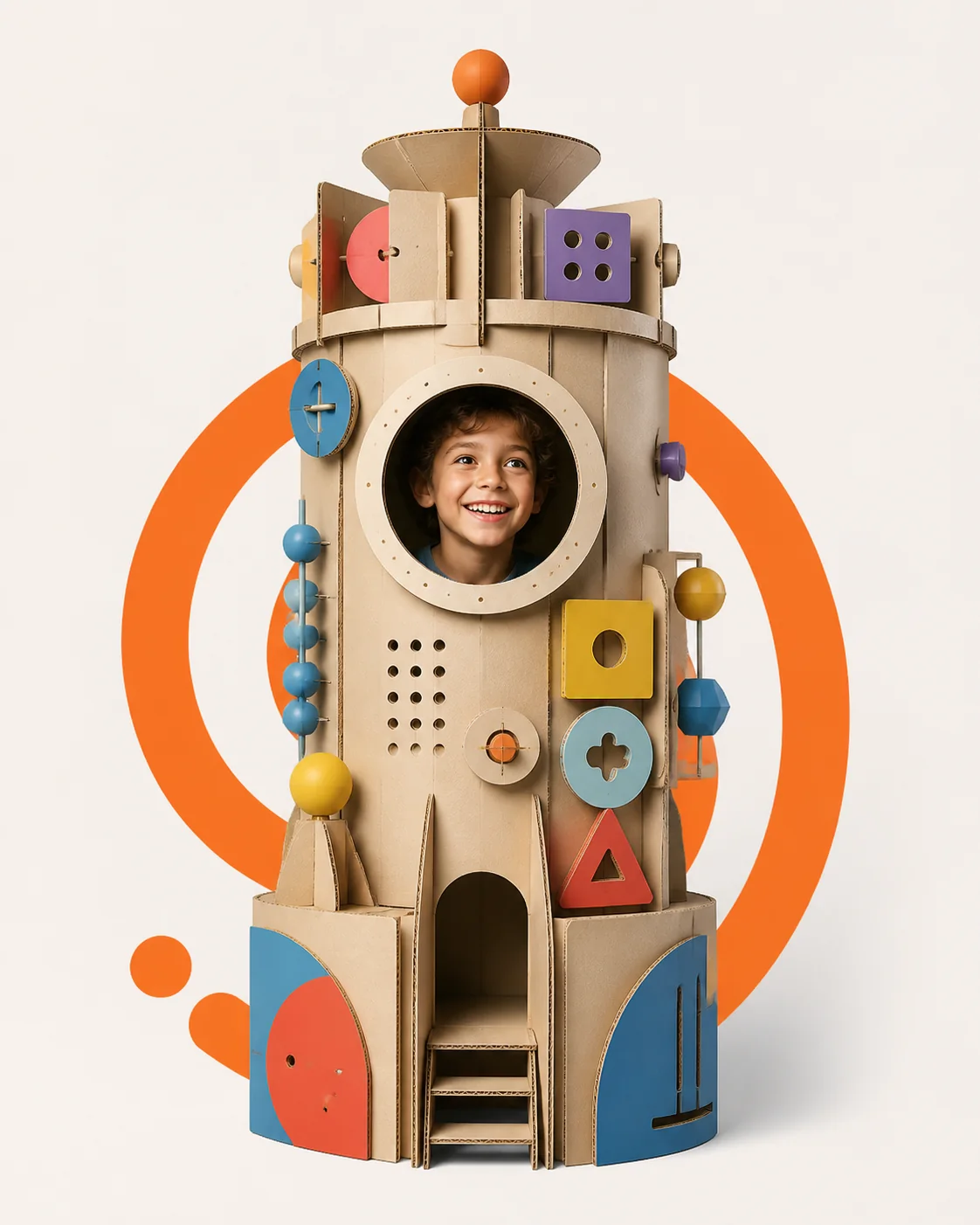
A child inside a handcrafted geometric discovery tower
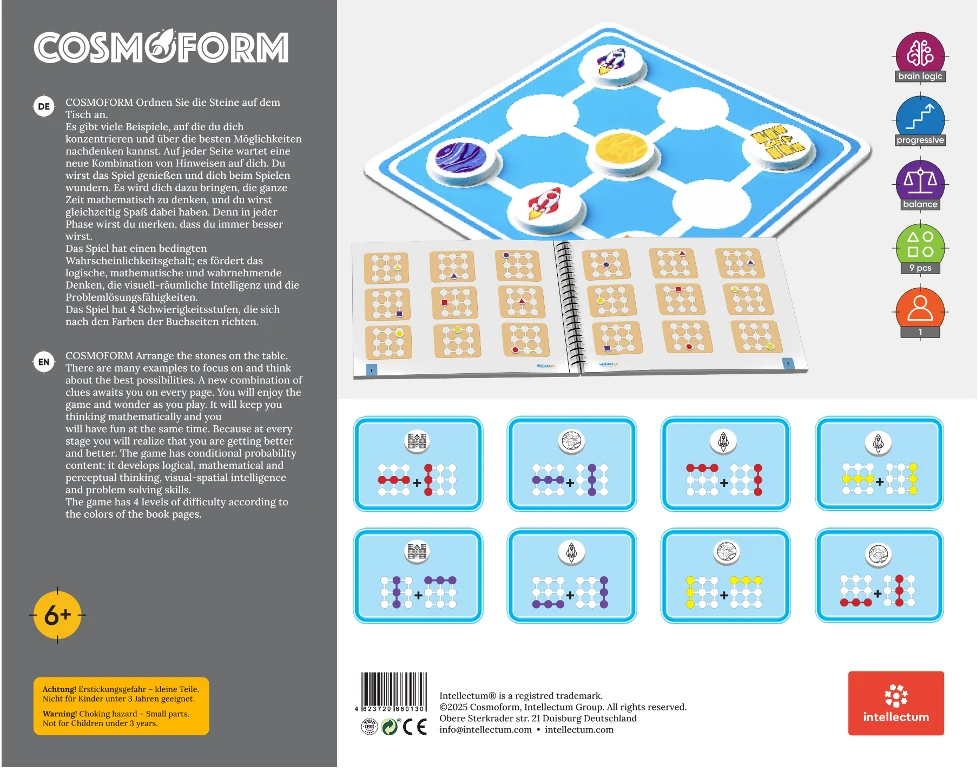
Cosmoform matrix reasoning game

Age 6+ · Four levels

Cosmoform

Analyze a visual matrix, test a prediction, and draw conclusions across progressive challenges.

04 Strategy & communication

Your move changes what everyone can do next.

Shared boards turn planning into conversation. Children explain choices, read another player’s intention, and adapt with purpose.

Primary school children extending a Spido pattern together

Featured game · Age 6+

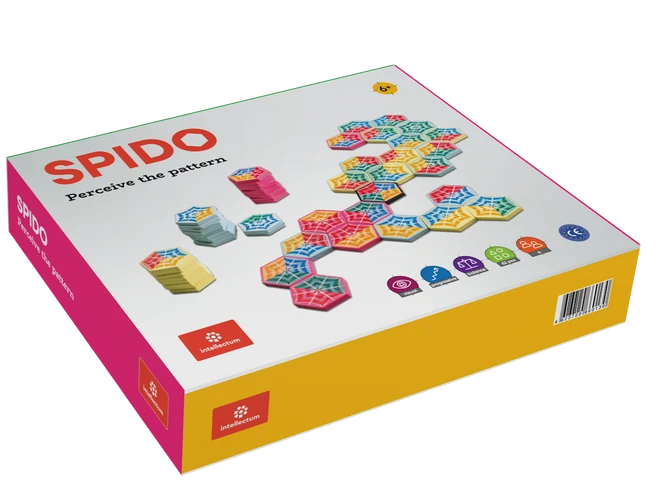
Spido hexagonal pattern game

Spido

Extend a shared hexagonal pattern by matching colors and lines while planning an efficient next move.

  • Patterns
  • Strategy
  • Collaboration
View in the full collection
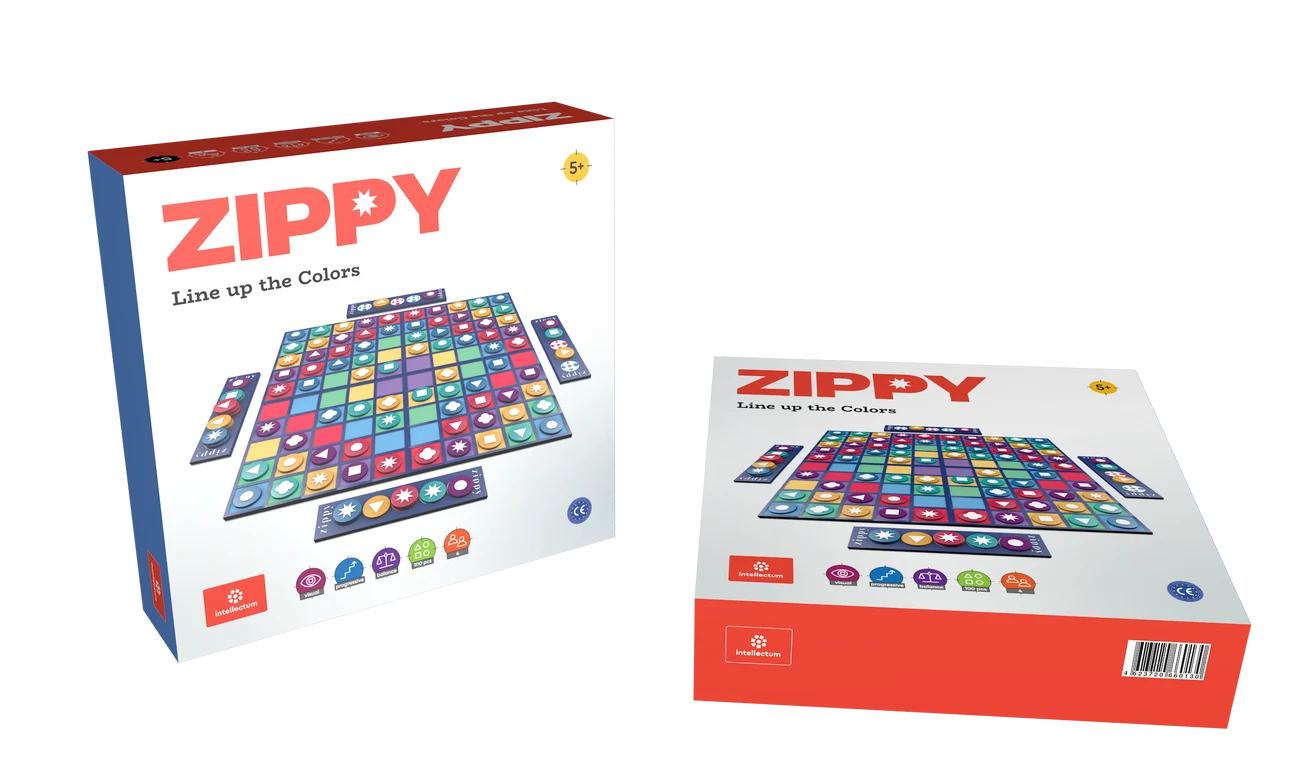
Three primary learners comparing symbols and planning a move on the Zippy game board
Zippy logic and teamwork game

Age 7+ · Group play

Zippy

Combine logic, language, counting, and shape recognition while explaining choices to the group.
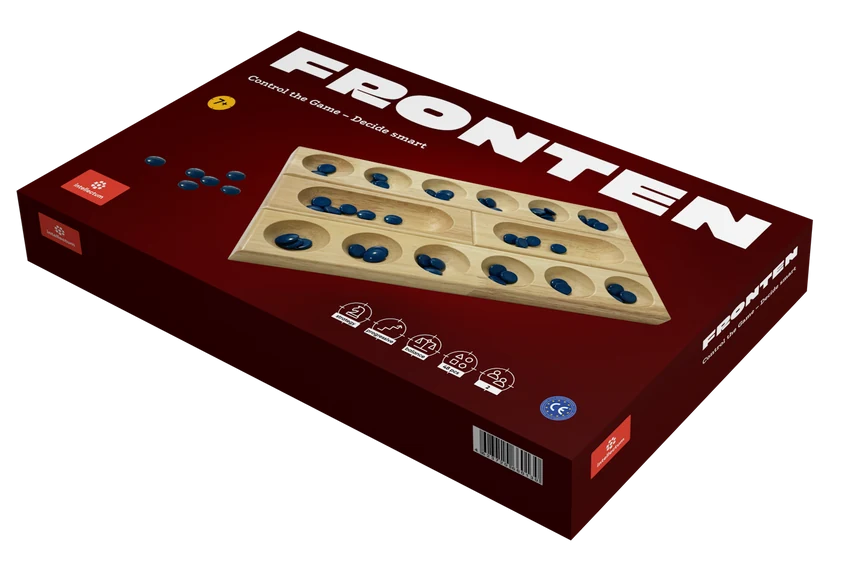
Two primary learners planning a Fronten move with the wooden well board and dark blue counters
Fronten strategy game

Age 7+ · Planning

Fronten

Recognize patterns, plan ahead, and adapt as the shared board changes.
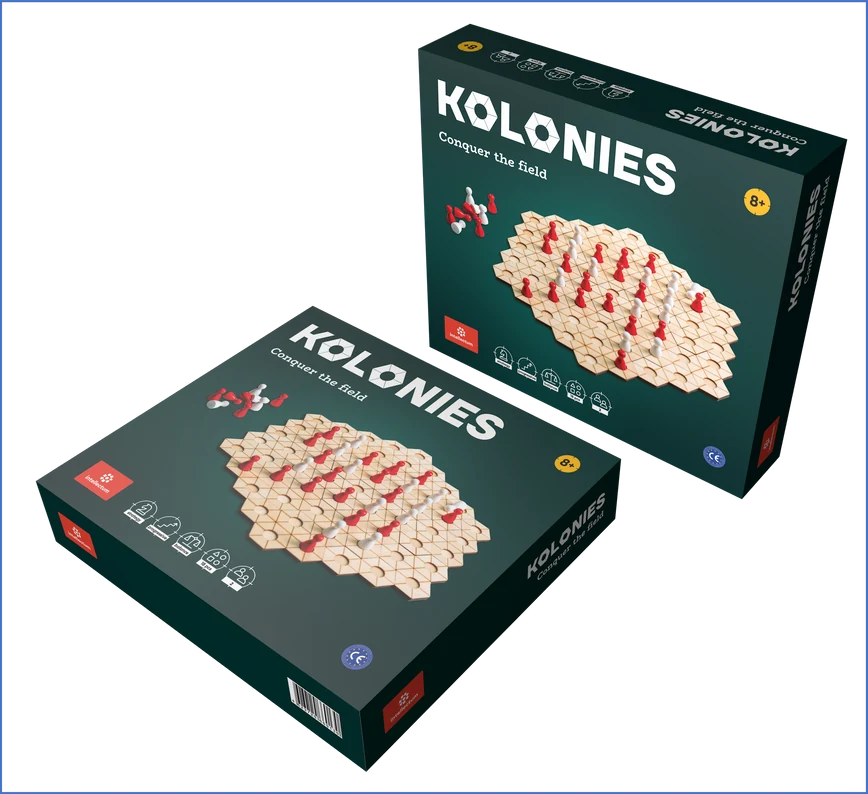
Two primary learners making strategic moves across the triangular wooden Kolonies field
Kolonies strategic board game

Age 8+ · Competition

Kolonies

Analyze an opponent and practice thoughtful decisions through competitive play.
A bright modern primary classroom with children learning in small groups

One room, many ways to reason

Designed for a classroom in motion.

Intellectum moves naturally between a teacher-led introduction, focused individual work, pair play, and small-group discussion.

13
distinct games
4
session phases
1
connected system
  1. 01
    Introduce

    The educator names the objective and demonstrates one clear move.

  2. 02
    Explore

    Learners test pieces, compare possibilities, and notice what changes.

  3. 03
    Discuss

    Children explain a decision and respond to another point of view.

  4. 04
    Extend

    The next challenge changes the pace, rules, or level of independence.

Complete collection

All 13 games, in one place.

Use the learning territories above for context, then compare every original game here.

Filter the complete collection

13 games in this collection

01Roadway route-building game
Age 3+Visual logic

Roadway

Build continuous routes from visual instructions while connecting geometry, direction, and sequence.

  • Routing
  • Geometry
  • Coordination
02Planko wooden construction game
Age 5+Construction

Planko

Turn simple wooden pieces into original structures through planning, storytelling, and careful making.

  • Fine motor
  • Creativity
  • Language
03Spido hexagonal pattern game
Age 6+2–4 players

Spido

Extend a shared hexagonal pattern by matching colors and lines while planning efficient moves.

  • Patterns
  • Strategy
  • Collaboration
04Matrix arithmetic and geometry game
Age 6+Math & geometry

Matrix

Read a matrix, connect values and shapes, and place the corresponding cubes into the grid.

  • Arithmetic
  • Geometry
  • Logical thinking
05Tangramus geometric puzzle game
Age 6+Spatial puzzle

Tangramus

Rebuild figures from geometric pieces and discover shape, symmetry, and spatial relationships.

  • Shapes
  • Symmetry
  • Problem solving
06Cubemind block analysis game
Age 6+Visual analysis

Cubemind

Compare views, measurements, and arrangements to identify how colored blocks relate in space.

  • Comparison
  • Visual analysis
  • Shape recognition
07Cosmoform matrix reasoning game
Age 6+4 difficulty levels

Cosmoform

Analyze a visual matrix, test predictions, and draw conclusions across progressive levels.

  • Matrix reasoning
  • Prediction
  • Strategy
08Formus three-dimensional geometry game
Age 7+3D geometry

Formus

Build three-dimensional forms and connect geometric ideas with analysis, design, and imagination.

  • 3D thinking
  • Analysis
  • Creativity
09Zippy logic and teamwork game
Age 7+Group play

Zippy

Combine logic, language, counting, and shape recognition while explaining choices to the group.

  • Logic
  • Language
  • Teamwork
10Fronten strategy game
Age 7+Strategy game

Fronten

Recognize patterns, plan several moves ahead, and adapt calmly as the shared board changes.

  • Planning
  • Adaptation
  • Communication
11Kodmaster code-breaking game
Age 8+Code breaking

Kodmaster

Create and break color codes through deduction, combinations, probability, and flexible thinking.

  • Deduction
  • Probability
  • Focus
12Kolonies strategic board game
Age 8+Competitive strategy

Kolonies

Analyze an opponent, choose priorities, and practice thoughtful decisions through competitive play.

  • Planning
  • Self-regulation
  • Empathy
13Designus visual orientation game
Age 8+Visual design

Designus

Analyze direction, size, and symmetry to place forms correctly and understand visual structure.

  • Orientation
  • Symmetry
  • Visual analysis

Plan a classroom demo

Which game would you like to see in action?

Share two details and our team will help you choose a focused Intellectum Primary demonstration.

By submitting, you agree to be contacted about Intellectum.

What educators can observe

Progress becomes visible while children play.

Across both learning stages, educators can notice how children attend, reason, communicate, and regulate their response to a challenge.Across the Primary collection, educators can notice how learners attend, reason, communicate, and regulate their response to increasingly complex challenges.

Two primary learners comparing pieces and explaining their choices during a hands-on challenge
Look for the moment a learnernotices · explains · adjusts
  1. 01

    Focus

    How long a learner stays with a challenge and what helps attention return.

  2. 02

    Reasoning

    How a learner compares options, tests a prediction, and changes a strategy.

  3. 03

    Language

    How clearly a child names a pattern, explains a move, or asks for another view.

  4. 04

    Self-regulation

    How a learner handles uncertainty, waits, adapts, and begins again.

Plan your Intellectum collection

Bring purposeful play into your learning space.

Tell us which learning stage you support. We will help you explore the right games and prepare a focused demonstration.Tell us about your primary learners. We will help you explore the right games and prepare a focused demonstration.

hello@intellectum.example · temporary contact

A focused conversation for educators, schools, and learning partners.

Teacher guiding primary learners through hands-on games in a bright classroom
Intellectum PrimaryA classroom ready for many ways to think.
Learning stage